From the Roundtable
Saint Simons Island, Georgia. June 24–25, 2026.
Our first supplier-sponsored roundtable convened senior leaders from across the foodservice industry for two days of honest, structured conversation about supply chain risk and enterprise AI — and the first in a series we will continue in the years ahead.
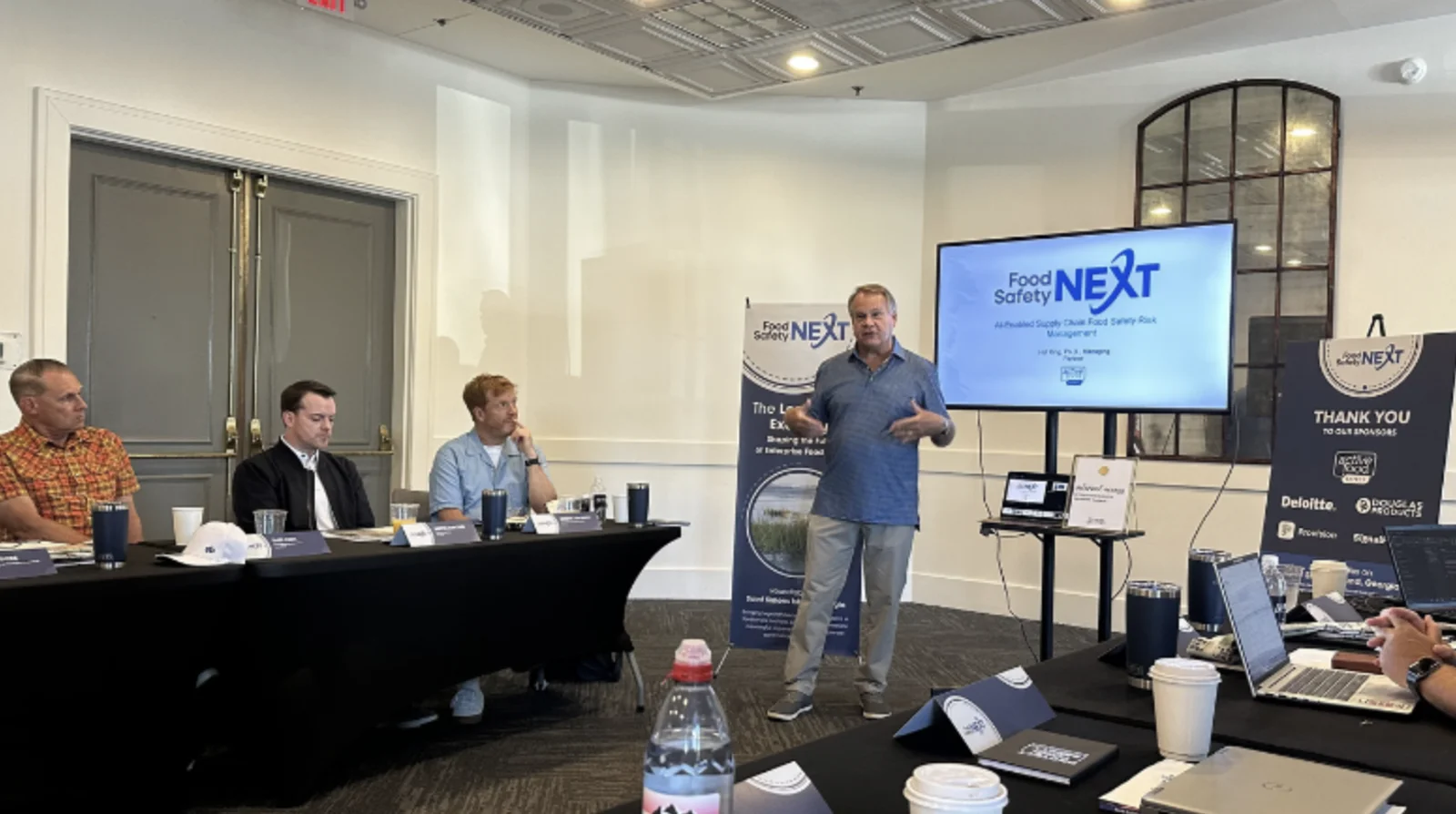
Where
Sea Palms Resort
Saint Simons Island, Georgia
Topic
Supply Chain Risk Management
Using Enterprise AI
Format
Two-day executive roundtable
Limited to senior leaders across food safety and other business functions in foodservice
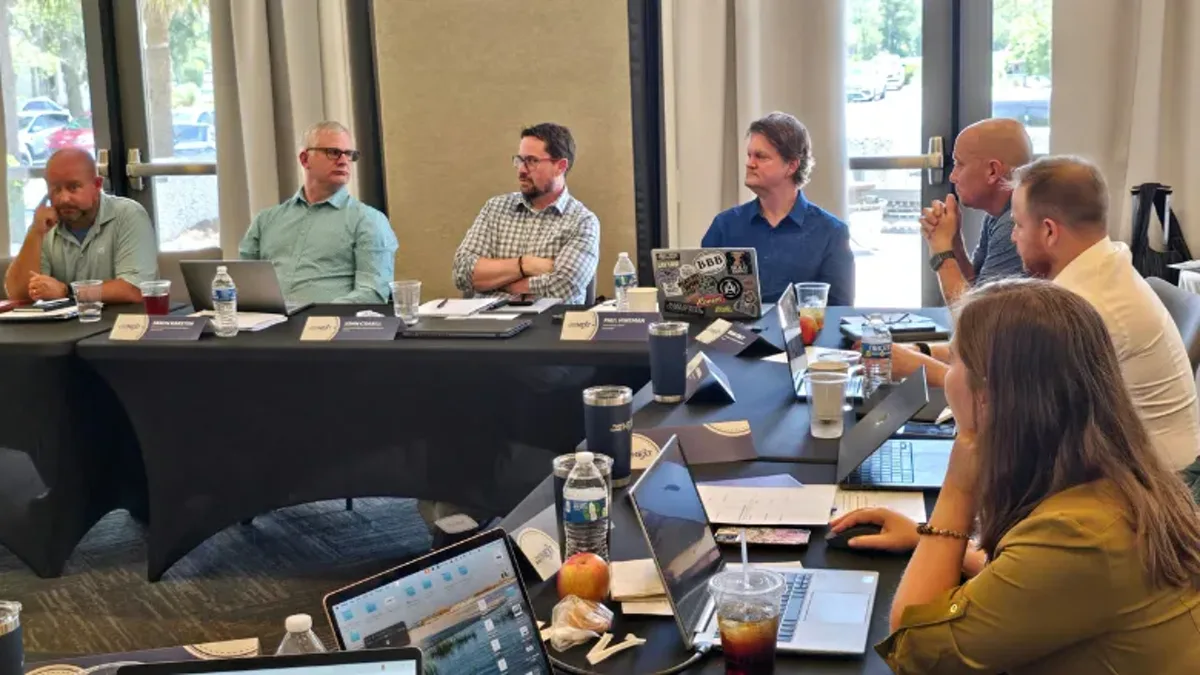
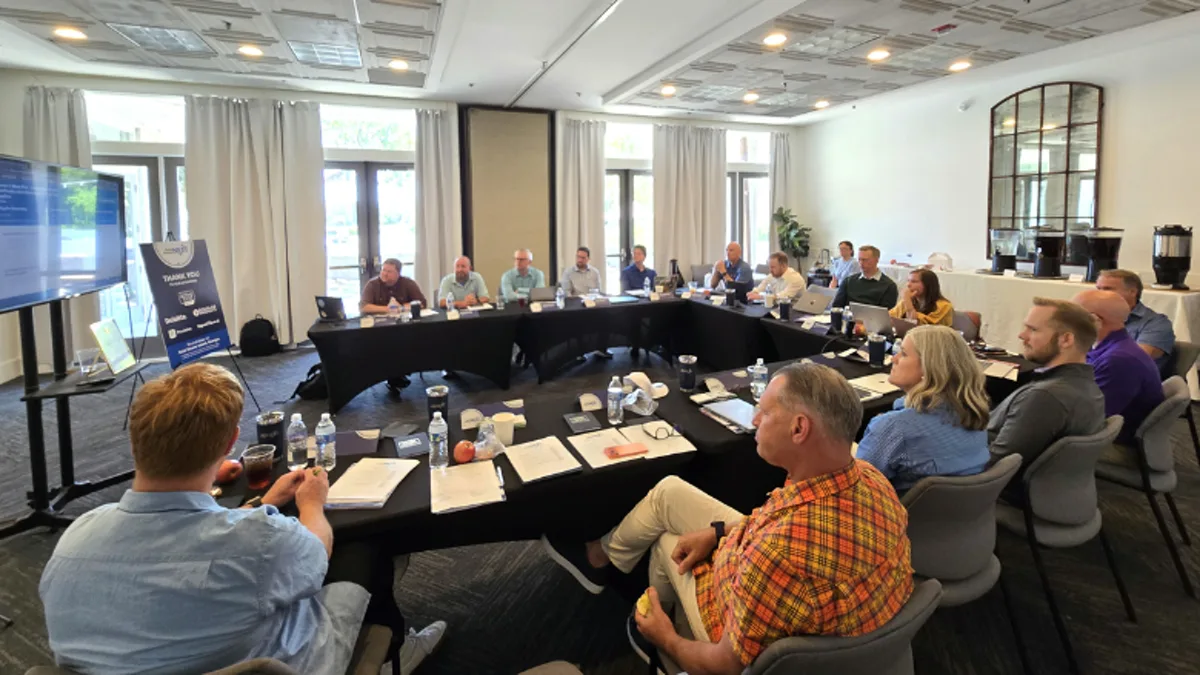
Senior business leaders from leading foodservice brands came together at Sea Palms for focused sessions on the application of enterprise AI to supplier risk management. Across two days, food safety business leaders with their supply chain business function leaders — shared candidly about signals needed to track risk, challenges, and the questions they are still working through to use AI.
What the roundtable surfaced
The Future of Food Safety Management with AI
The first session of the Roundtable examined enterprise AI and the signals needed from the data for effective supply chain risk management. Papa John’s is also using AI to examine signals to predict top supply chain origin risks. Key early warning signals include elements of supplier performance, operations and logistics, external and environmental risk signals, and customer complaint and inspection trends.
Data Architecture, Validation, and Governance
The second session included discussions on the need to ensure data integrity and validation that would enable important functions such as Document data extraction (e.g., pulling values from a supplier COA or specification PDF, or turning an emailed certificate into a record) or real-time monitoring/anomaly detection (e.g., tracking cold chain temperatures across locations, or detecting a forged COA that does not match the active specification).
Supplier risk management put to the test
The final two sessions of the Roundtable examined AI solutions for supplier risk management. The group prioritized supplier onboarding, active monitoring, and deviation detection and response as the highest-priority areas. Participants then explored how AI capabilities could be applied to strengthen these functions, including identifying risks, monitoring supplier performance, and responding to potential food safety issues. A guided mock pilot walked participants through AI-assisted detection of undeclared allergens.
With Gratitude to Our Sponsors
Made Possible by Our Sponsors
We thank the organizations whose support brought senior food safety leaders together at Sea Palms Resort for two days of honest, structured conversation.



Exclusive Media Partner
Food Safety Magazine is the exclusive media partner for Food Safety NEXT. Adrienne Blume, Director of Editorial & Industry Engagement, attended in person and published full coverage of the Saint Simons Island Roundtable — including participant case studies, attendee perspectives, and the questions the day set up for the industry.

The Setting
Where enterprise food safety leaders came together.
Sea Palms Resort sits at the edge of Saint Simons Island's salt marsh on the Georgia coast — a setting intentionally chosen to take leaders out of the office and into the kind of focused, trust-building environment that conversations like these require.